I found Janette by chance. While looking for a place to stay in Chiang Mai, I came across a listing for “The Hill Place.” It stood out immediately, not because it looked like a polished vacation rental, but because of something else. The photos felt intentional, almost defiant. There was no attempt to make the space feel generic or broadly appealing. It looked like it belonged to someone who had spent a lifetime building it. My review of the stay was simple: Janette is a rare find. Booking a room with her isn’t just about accommodation; it’s stepping into a space shaped by decades of work, movement, and accumulation. From handcrafted costumes to books and pieces collected across countries, the home feels like a personal archive. Nothing is there by accident. Everything has a story behind it.
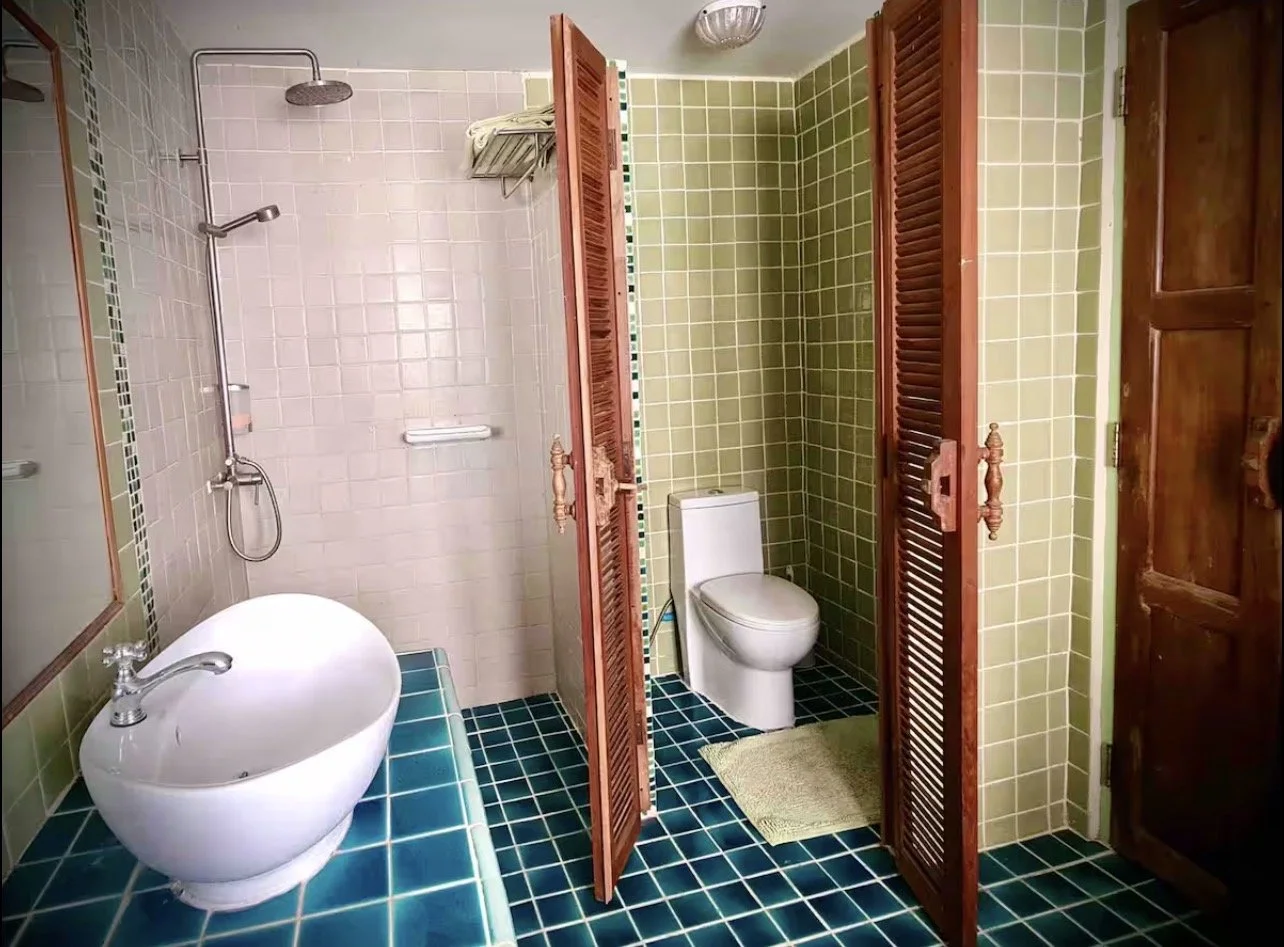
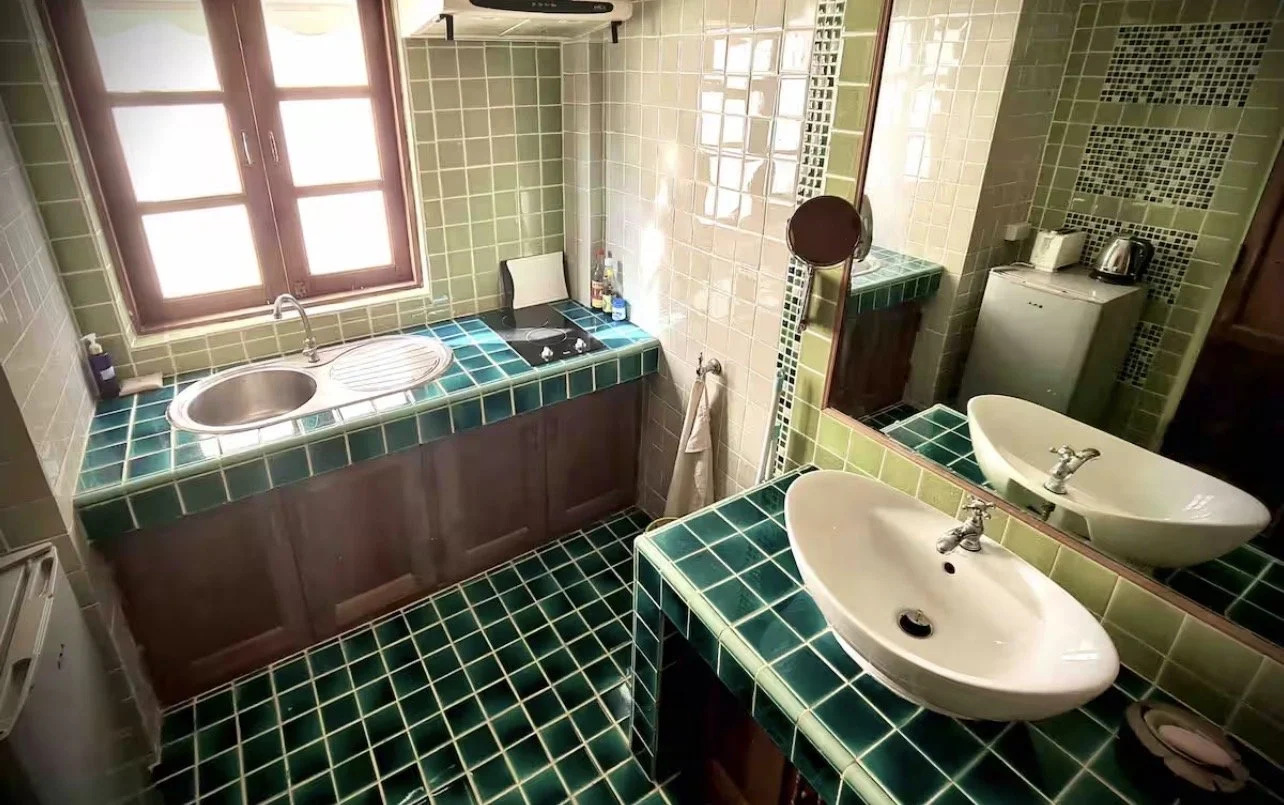
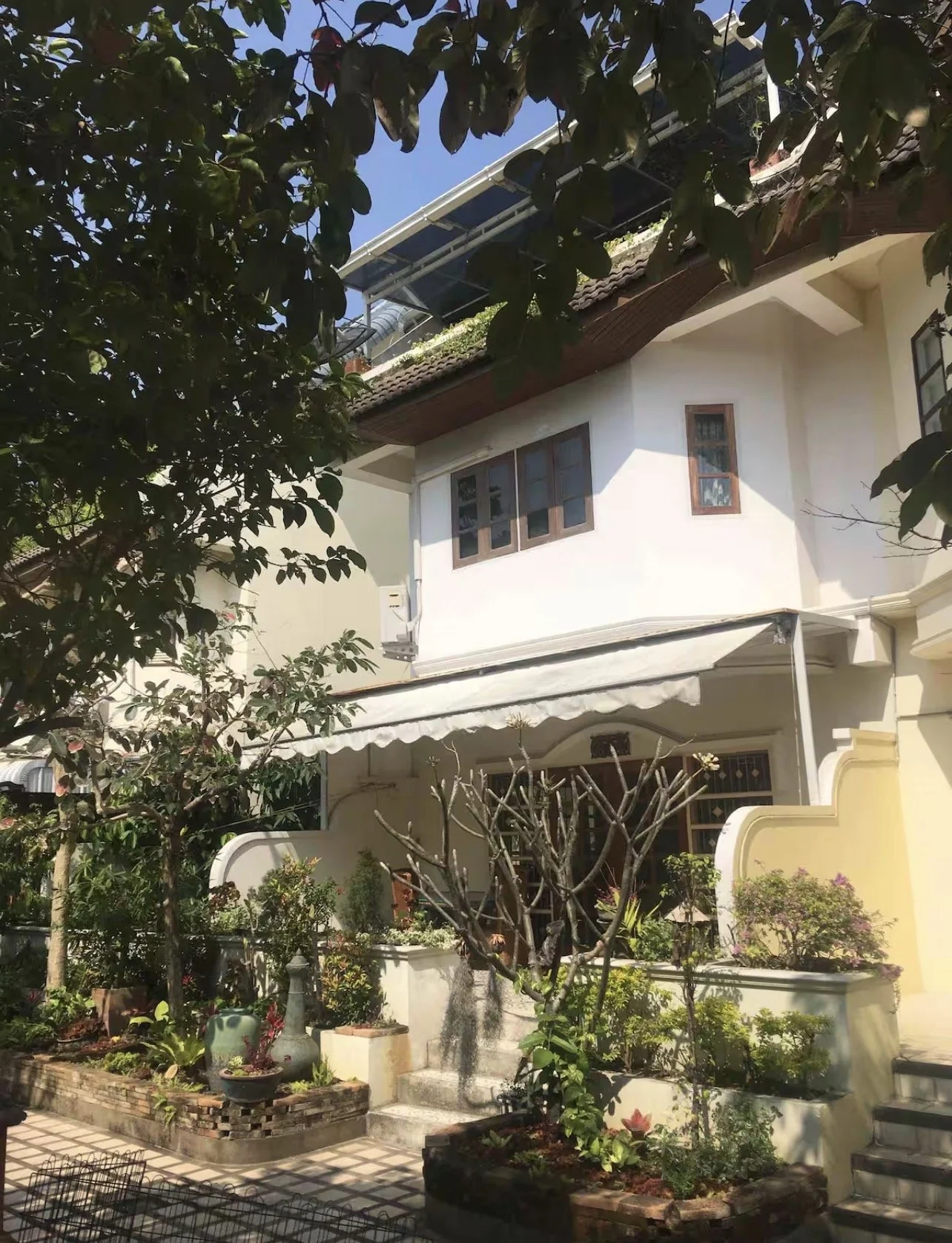
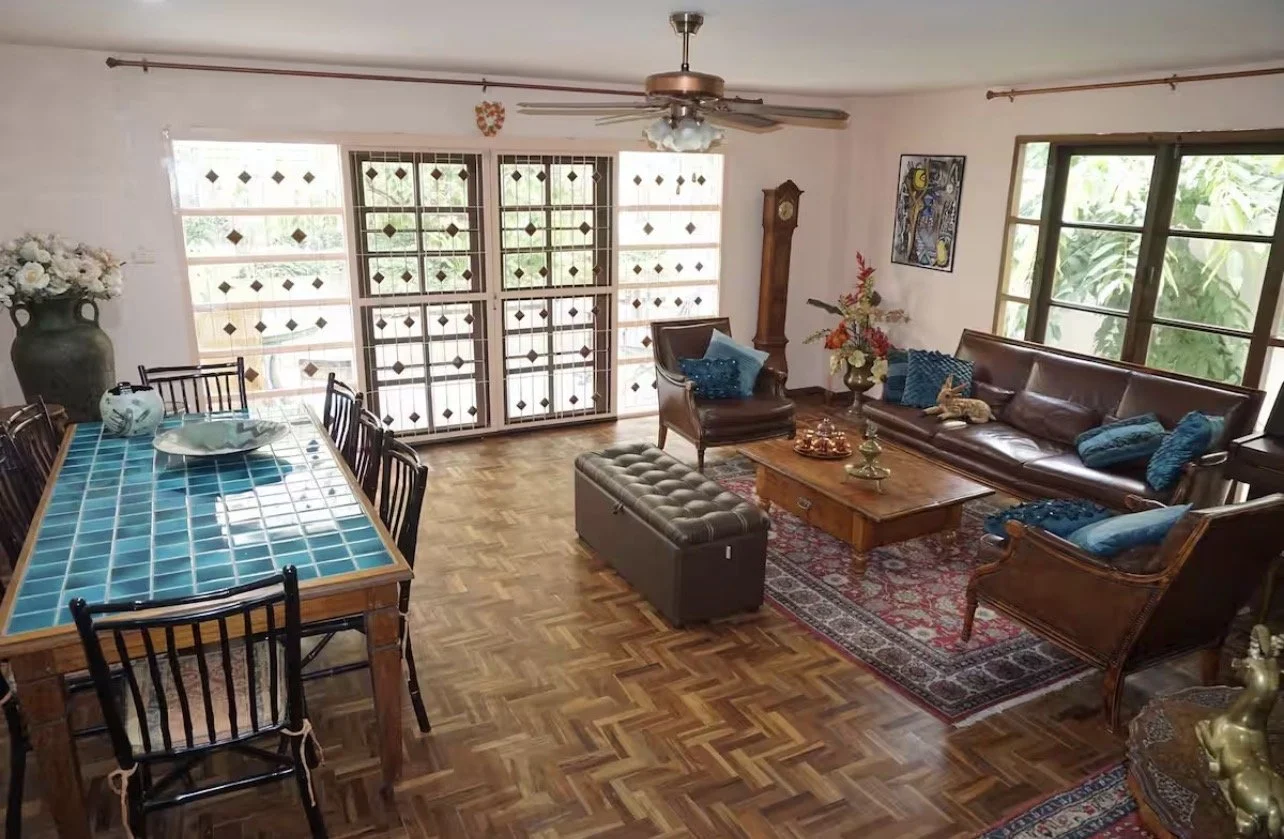
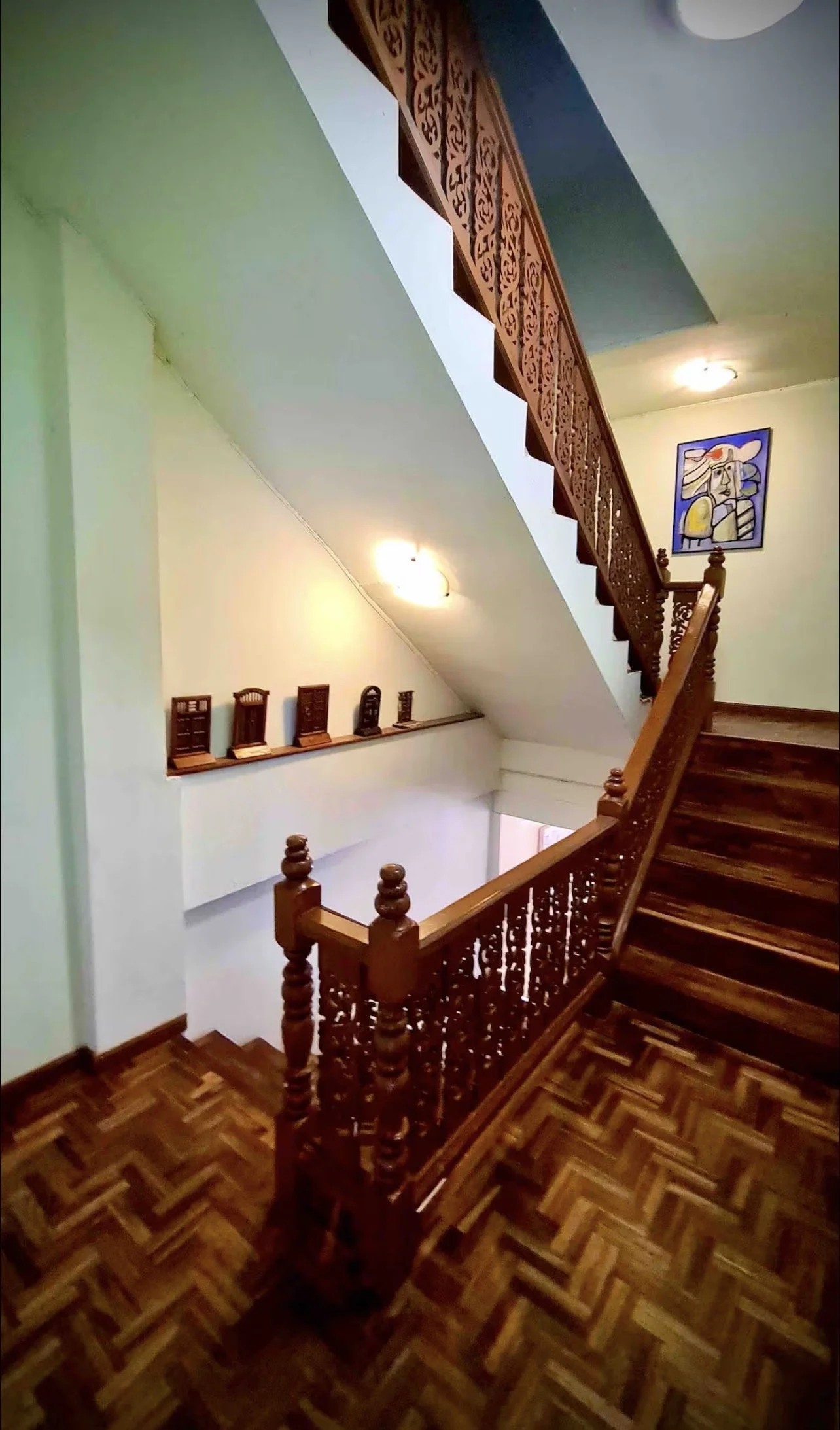
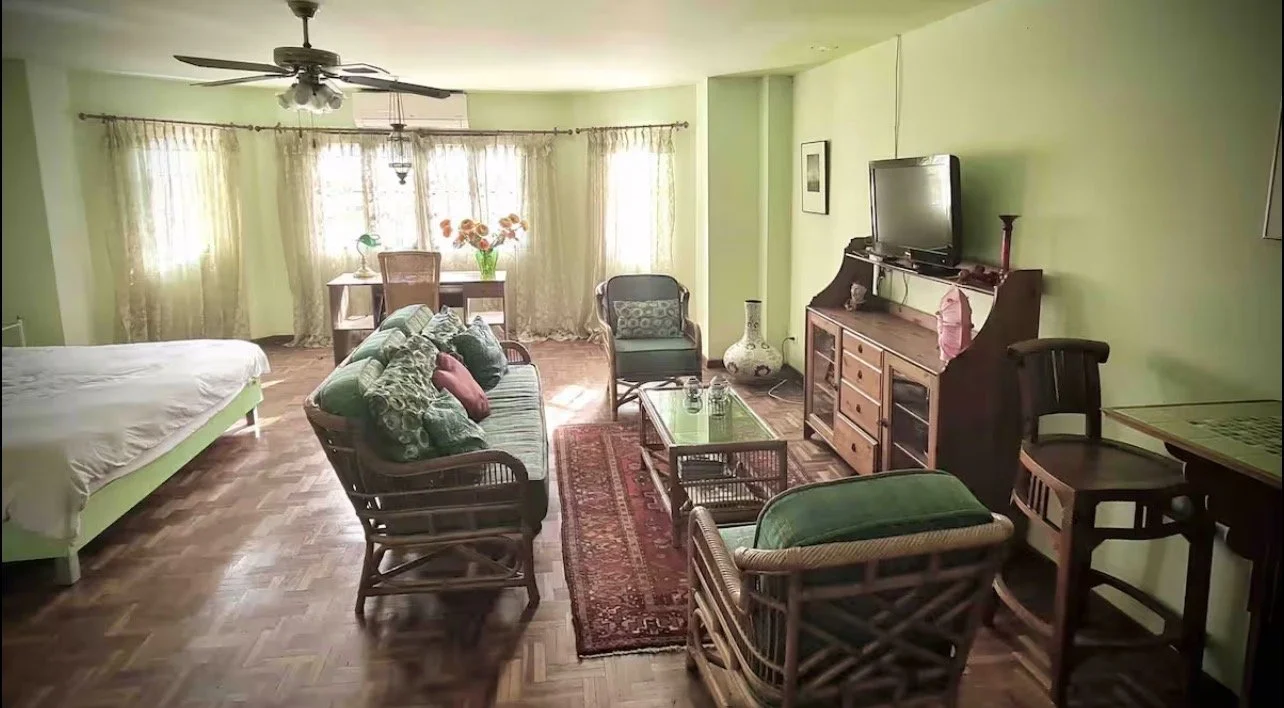
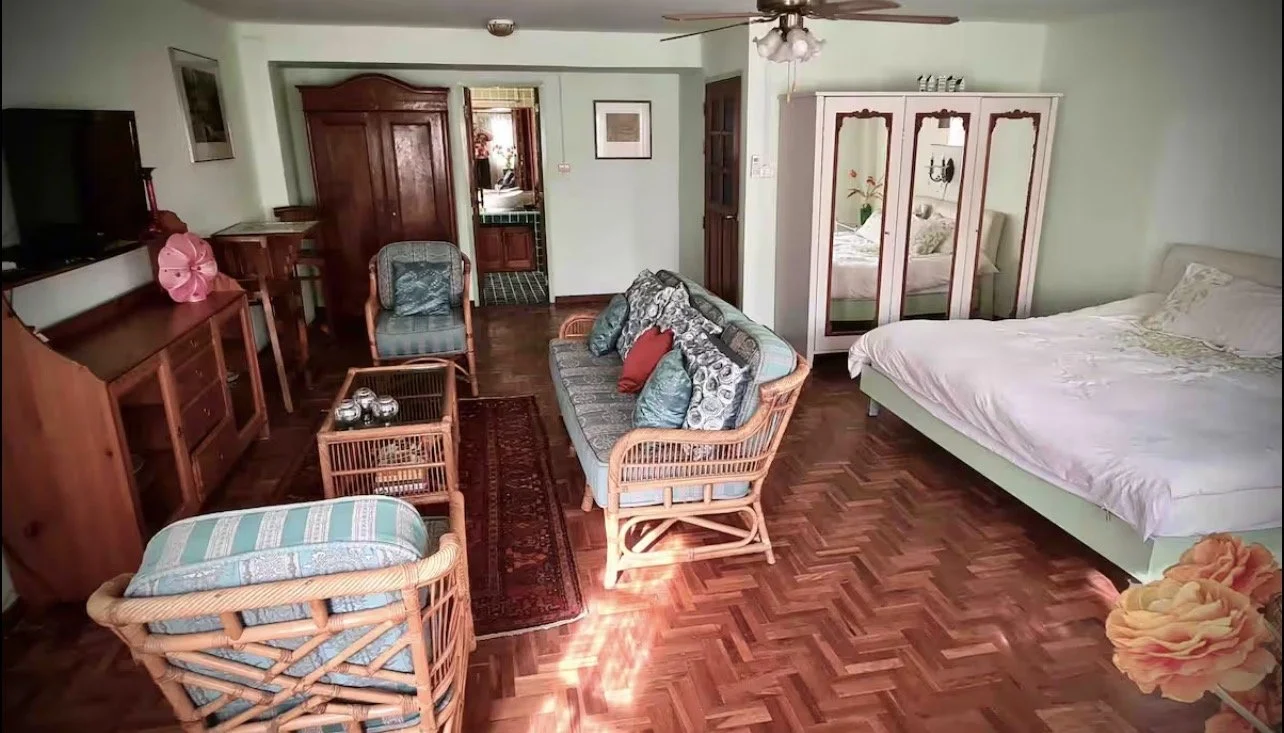
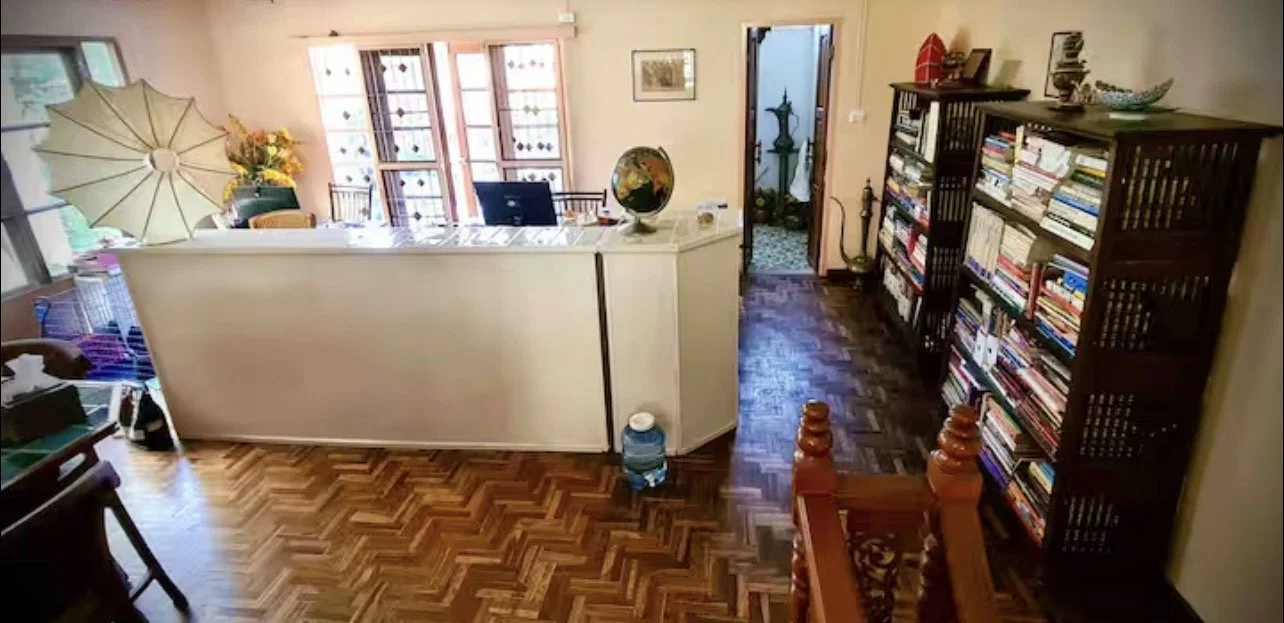
What makes the experience different is Janette herself. She doesn’t present her story all at once, and she doesn’t try to control how it’s received. Conversations move naturally. Over the course of my stay, we spoke about business, relationships, aging, Thai culture, and the realities most people avoid discussing directly. She spoke openly about her life, including the parts that don’t fit into a clean narrative. At one point, she shared a goal she still holds: to find a home for her collection of 4,000 costumes work she has designed, collected, and preserved over decades ideally with a production company that understands the value behind it. Even now, she spends time teaching local students. On Saturdays, she works with them on pattern-making and design, sometimes using something as simple as Barbies to explain structure and form. Recently, she staged a musical community play centered on the 1960s and is preparing one for the 1970s. She sees design as something that must stay alive, not preserved. A designer, in her words, should reflect a lifetime of staying current.
That stability, however, was not always there. Janette’s story does not move in a straight line. It is built through a series of resets, each shaped by pressure, loss, and the need to keep going. It begins in the Netherlands, where she was born as the youngest of three daughters. Her father had wanted a son and raised her with that expectation, but at the same time rejected who she was. He told her she was not acting like a woman and that no man would choose her. That kind of message settles early. It does not disappear.
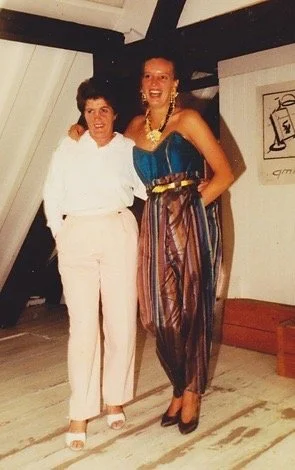
Janette (right) and her Mother
Her mother, however, gave her something practical. She was a tailor and introduced Janette to the technical side of textiles. She learned how fabric moves, how flat material becomes structure, and how precision determines outcome. As the third daughter wearing versions of the same outfits, Janette watched closely, studying how patterns were constructed. She began designing her own clothes at the age of seven. At school, nuns taught her crochet, knitting, and embroidery. She studied pattern construction books carefully and developed a level of technical understanding early. By the time she was older, she already had control that most people take years to develop.
By 17, she had already created a pattern system for a children’s clothing line and was producing historical costumes for theater and film while dressing high-profile clients. By 21, she was teaching design and construction techniques at a university to students older than her. She described it as accidental, but the work itself was not. She approached clothing with structure. Measurements mattered. Systems mattered. She understood that if you could control the structure, you could control the outcome. Her career expanded across Europe and into production environments in Turkey and China. This was not design in isolation. It was manufacturing, logistics, and problem-solving at scale. It required long hours, constant adjustment, and the ability to operate in unfamiliar environments. “I was a workaholic,” she said. Not as a label, but as a fact. At the same time, she sees work differently than most. When work gives satisfaction, confirmation, and continuous growth, it stops feeling like work. It becomes study, therapy, and structure all at once.

Janette’s design company in Germany
At the same time, her personal life became more complicated. Over the years, she became a single mother of three, navigating relationships that did not provide the stability they initially promised. The reality of raising children while building across industries and countries meant carrying both roles fully. One relationship in particular, involving a partner she believed she could build a future with, changed how she understood trust. She described an incident involving her daughter during that time. In the moment, she tried to rationalize it so she could continue functioning, but later recognized the reality of what had happened and that it was not an isolated situation. She does not present this part of her life for sympathy. She presents it as part of a pattern of trust, rebuilding, and consequences that came later.
Through all of this, she kept working. Her career expanded into factory operations, high-pressure environments, and eventually into Kuwait, where she established a vocational institute. The work shifted toward teaching and creating opportunities for others, but her approach did not change. She remained focused on execution and building systems that worked. At one point, she was rejected from humanitarian work because she was seen as too driven. “They said I was too much of a workaholic,” she said. The same trait that allowed her to survive also made it difficult to fit into certain environments. Independence became necessary. Control became normal. Over time, those same qualities made relationships harder to sustain.
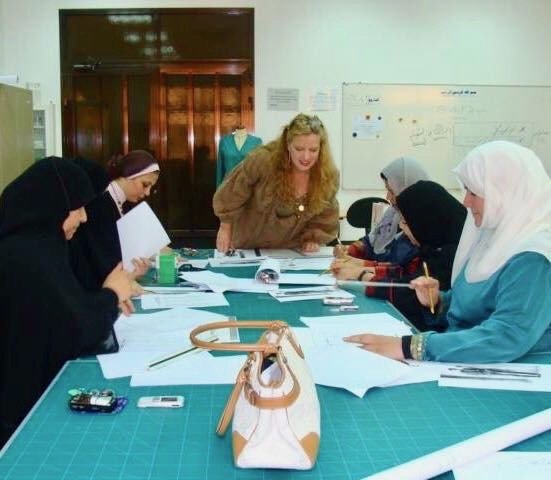
Janette (middle) teaching her students in Kuwait
That same tension carried into her role as a mother. Raising children while building a life across countries and industries required constant tradeoffs. Time was limited. Attention was divided. Work often came first because it had to. Looking back, she does not avoid the outcome. For a long period, her relationship with some of her children became distant, reduced to minimal communication. She acknowledges that directly. But the story does not end there. After 20 years apart, her daughter moved to Chiang Mai with her family. The presence of her grandchildren brought a renewed sense of familiarity, but rebuilding a relationship after that length of time is not immediate. It requires time, and it requires confronting everything that came before.
Now, in Chiang Mai, her life is more stable. Jalusion continues to operate. The theater runs. The house remains full of work collected over decades. On the surface, it looks like a settled life, and in many ways, it is. But nothing about how she got there was simple. Everything she earned, she reinvested into ideas and projects she believed in, building toward a version of life where she could remain surrounded by creativity, younger generations, and ongoing work. She intends to keep designing and building for as long as she can.

Janette in a play as “Heidi Habibi”
Janette Hermann did not follow a traditional path. She built across industries, across countries, and through repeated disruption. Each phase required her to adapt, to rebuild, and to continue forward without guarantees. What she has today is the result of that process. She does not separate what she built from what it cost her. For her, they are the same story. Everything she earned was reinvested into what she calls her “visions” work meant to sustain her, not just financially, but creatively. She has built a life where she remains surrounded by younger generations, continuing to design, teach, and create for as long as she can.